Global Targeted Drug Therapy-based Adult Malignant Glioma Therapeutics Market Research Report – Segmented By Disease Type (Glioblastoma Multiforme (GBM), Anaplastic Astrocytoma, Anaplastic Oligodendroglioma, Other Malignant Gliomas); By Distribution Channel (Hospitals, Specialty Clinics, Homecare); By End-User(Hospitals and Clinics, Physicians, Patients); and Region - Size, Share, Growth Analysis | Forecast (2024 – 2030)
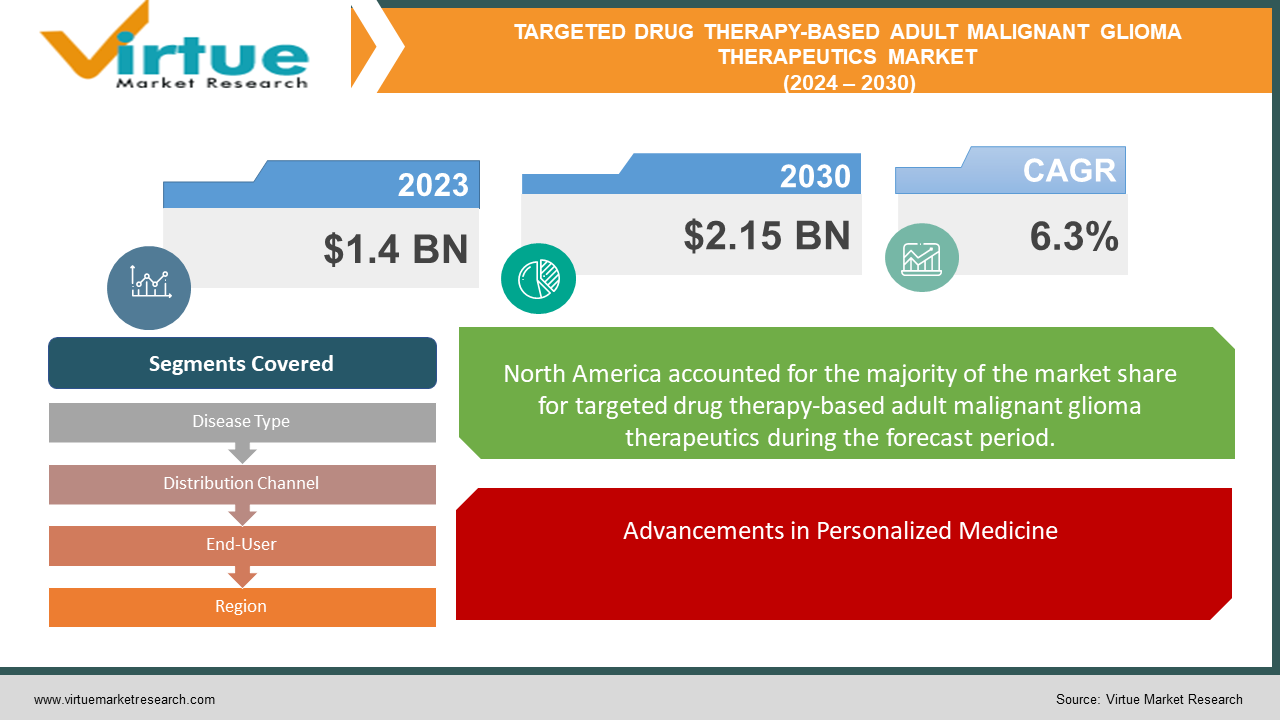
The GlobalTargeted Drug Therapy-based Adult Malignant Glioma Therapeutics Market was valued at USD 1.4 billion in 2023 and is projected to reach a market size of USD 2.15 billion by the end of 2030. The market is anticipated to expand at a compound annual growth rate (CAGR)of 6.3% between 2024 and 2030.
The global targeted drug therapy-based adult malignant glioma therapeutics market represents a dynamic and rapidly evolving sector within oncology, focused on addressing one of the most aggressive forms of brain cancer. Malignant gliomas, particularly glioblastomas, pose significant treatment challenges due to their highly invasive nature and resistance to conventional therapies. Targeted drug therapies have emerged as a promising approach, leveraging advancements in molecular biology to attack specific genetic mutations and pathways associated with glioma cells. These therapies aim to maximize treatment efficacy while minimizing damage to healthy tissues, offering hope for improved patient outcomes. The market is driven by ongoing research and development efforts, leading to the discovery of new biomarkers and therapeutic targets. Additionally, the integration of cutting-edge technologies such as next-generation sequencing and CRISPR is enhancing the precision and personalization of treatments. Despite the high costs and accessibility challenges, significant investments by pharmaceutical companies, coupled with increasing awareness and diagnosis rates, are propelling market growth. Collaborative efforts between research institutions and industry players are further accelerating innovation. As the demand for effective glioma treatments continues to rise, the global targeted drug therapy market is poised for substantial advancements, potentially transforming the standard of care for glioma patients worldwide.
Key Market Insights:
Glioblastomas constitute over 80% of malignant gliomas targeted by therapies.
Targeted therapies have been shown to extend progression-free survival by up to 30%.
Immunotherapies are increasingly used in combination therapies, accounting for about 15% of treatment protocols.
North America dominates with over 50% market share, driven by advanced healthcare and research facilities.
The Asia Pacific region is experiencing rapid growth, contributing to approximately 20% of the market.
Collaborations between pharmaceutical companies and research institutions account for about 25% of new therapy developments.
Global Targeted Drug Therapy-based Adult Malignant Glioma Therapeutics Market Drivers:
Advancements in Personalized Medicine
One of the primary drivers of the global targeted drug therapy-based adult malignant glioma therapeutics market is the significant advancements in personalized medicine. As our understanding of genetic and molecular profiles of gliomas deepens, targeted drug therapies have become more sophisticated, offering treatments that specifically attack cancer cells while sparing healthy tissue. This precision reduces side effects and enhances the efficacy of treatments, making them highly appealing to both patients and healthcare providers. Personalized medicine allows for the customization of treatment plans based on the unique genetic makeup of each patient's tumor, leading to better outcomes and prolonged survival rates. These advancements not only improve patient quality of life but also drive investment and research into new targeted therapies, further expanding the market.
Increasing Prevalence and Awareness of Gliomas
Another key driver is the increasing prevalence of adult malignant gliomas and the growing awareness of the disease. As diagnostic techniques improve, more cases are being detected earlier, allowing for timely intervention with targeted therapies. Public health campaigns and advocacy by various organizations have heightened awareness about gliomas, leading to more patients seeking advanced treatment options. Additionally, the aging global population contributes to a higher incidence of gliomas, as the risk of developing such cancers increases with age. This growing patient population necessitates the development of effective therapies, spurring pharmaceutical companies to focus on targeted drug treatments that offer better precision and fewer side effects compared to traditional chemotherapy and radiation. The demand for innovative and effective therapies to manage this challenging and often fatal disease continues to drive the market forward.
Global Targeted Drug Therapy-based Adult Malignant Glioma Therapeutics Market Restraints and Challenges:
A significant restraint in the global targeted drug therapy-based adult malignant glioma therapeutics market is the high cost and accessibility of these treatments. Targeted drug therapies often come with substantial price tags, making them less accessible to a broader patient population, especially in low- and middle-income countries. The financial burden on patients and healthcare systems can be immense, limiting widespread adoption and usage. Furthermore, the development and approval process for these therapies is lengthy and expensive, involving rigorous clinical trials and extensive regulatory scrutiny, which adds to the overall cost. This can also delay the availability of new and potentially life-saving treatments. Additionally, disparities in healthcare infrastructure and insurance coverage across different regions further exacerbate access issues. In many parts of the world, advanced diagnostic tools and specialized treatment centers required for administering targeted therapies are limited or non-existent. These challenges highlight the need for strategies to reduce costs, improve healthcare infrastructure, and ensure equitable access to advanced therapeutics. Without addressing these barriers, the potential benefits of targeted drug therapies for malignant glioma patients may remain out of reach for many, thus restraining market growth and impeding the global fight against this aggressive form of brain cancer.
Global Targeted Drug Therapy-based Adult Malignant Glioma Therapeutics Market Opportunities:
The global targeted drug therapy-based adult malignant glioma therapeutics market presents significant opportunities driven by advancements in biomarker discovery and the development of novel targeted therapies. Biomarkers play a crucial role in identifying specific molecular and genetic characteristics of gliomas, enabling the development of therapies that can precisely target cancer cells. Continued investment in research and development is leading to the identification of new biomarkers, which in turn is facilitating the creation of more effective and personalized treatment options. This progress not only enhances treatment efficacy but also opens up opportunities for pharmaceutical companies to develop innovative drugs that can address unmet clinical needs. Furthermore, collaborations between academic institutions, research organizations, and biopharmaceutical companies are accelerating the pace of discovery and development. These partnerships are crucial for translating laboratory findings into clinical applications, ultimately leading to more targeted and effective therapies for glioma patients. Additionally, the expanding use of advanced technologies, such as next-generation sequencing and CRISPR, is revolutionizing biomarker research and drug development processes. As these technologies become more integrated into clinical practice, they offer the potential to significantly improve patient outcomes and drive the growth of the targeted drug therapy market for adult malignant gliomas, presenting a promising avenue for future advancements and commercial success.
TARGETED DRUG THERAPY-BASED ADULT MALIGNANT GLIOMA THERAPEUTICS MARKET REPORT COVERAGE:
REPORT METRIC
DETAILS
Market Size Available
2023 - 2030
Base Year
2023
Forecast Period
2024 - 2030
CAGR
6.3%
Segments Covered
By Disease Type, Distribution Channel, End-User, and Region
Various Analyses Covered
Global, Regional & Country Level Analysis, Segment-Level Analysis, DROC, PESTLE Analysis, Porter’s Five Forces Analysis, Competitive Landscape, Analyst Overview on Investment Opportunities
Regional Scope
North America, Europe, APAC, Latin America, Middle East & Africa
Key Companies Profiled
Roche Holding AG, Bristol-Myers Squibb Company, Merck & Co., Inc., Pfizer Inc., AstraZeneca plc, Novartis International AG, Eli Lilly and Company, Amgen Inc., Sanofi S.A., Bayer AG, AbbVie Inc., Takeda Pharmaceutical Company Limited, GlaxoSmithKline plc
Global Targeted Drug Therapy-based Adult Malignant Glioma Therapeutics Market Segmentation: By Disease Type
Glioblastoma Multiforme (GBM)
Anaplastic Astrocytoma
Anaplastic Oligodendroglioma
Other Malignant Gliomas
The GlobalTargeted Drug Therapy-based Adult Malignant Glioma TherapeuticsMarket byDisease Type,Glioblastoma Multiforme (GBM) market share last year and is poised to maintain its dominance throughout the forecast period.Glioblastoma Multiforme (GBM) stands as the predominant and most aggressive form of adult malignant glioma, constituting approximately 60-70% of all cases within this challenging disease group. This high prevalence underscores a substantial market demand for targeted therapies specifically designed to combat GBM's resistant nature and enhance patient outcomes. Current treatment protocols for GBM include established targeted therapies like Bevacizumab (Avastin), which are integrated with standard treatments such as surgery, radiation, and chemotherapy to manage the disease effectively. As a result of these well-established treatment options and the sheer prevalence of GBM cases, it is reasonable to expect that GBM will maintain a dominant share in the Global Targeted Drug Therapy-based Adult Malignant Glioma Therapeutics Market. However, future dynamics could shift this landscape. Ongoing advancements in targeted therapies for other subtypes, such as Anaplastic Astrocytoma, may gradually expand their market presence, albeit unlikely to surpass GBM in the immediate future. The development of pipeline therapies, including novel targeted drugs or innovative combination treatments specifically tailored for GBM, holds the potential to further solidify its market dominance. To gain a more definitive understanding of these trends, consulting comprehensive market research reports from respected firms would provide insights into disease-specific market shares and evolving competitive dynamics within the global glioma therapeutics market.
Global Targeted Drug Therapy-based Adult Malignant Glioma Therapeutics Market Segmentation: By Distribution Channel
Hospitals
Specialty Clinics
Homecare
The GlobalTargeted Drug Therapy-based Adult Malignant Glioma TherapeuticsMarket byDistribution Channel, Hospitalsmarket share last year and is poised to maintain its dominance throughout the forecast period.Hospitals serve as the cornerstone for treating adult malignant glioma, offering the comprehensive infrastructure and expertise required for the complex and multifaceted nature of glioma therapies. These facilities provide the necessary resources for surgeries, radiation therapy, and the administration of targeted drug therapies, which are integral components of glioma treatment protocols. The intricate nature of glioma therapy often necessitates a combination of these treatments, requiring specialized facilities and healthcare professionals available in hospital settings. Moreover, hospitals are well-equipped to monitor patients closely during and after targeted drug therapy administration, ensuring effective management of potential side effects and adherence to specific safety protocols mandated by regulatory requirements. Looking ahead, while alternative channels such as specialty clinics and homecare settings may emerge, hospitals are likely to maintain their dominant position in the administration of targeted therapies for adult malignant glioma. Specialty clinics focusing on cancer treatment could see increased adoption of targeted therapies if streamlined protocols and specialized expertise are developed. Similarly, advancements in oral targeted therapies with manageable side effects may pave the way for homecare administration in certain cases. However, the inherent complexities of glioma treatment and the critical need for specialized care are expected to sustain hospitals as the primary and preferred setting for administering targeted drug therapies to glioma patients worldwide.
Global Targeted Drug Therapy-based Adult Malignant Glioma Therapeutics Market Segmentation: By End-User
Hospitals and Clinics
Physicians
Patients
The GlobalTargeted Drug Therapy-based Adult Malignant Glioma TherapeuticsMarket byEnd-User, Hospitals, and Clinicsmarket share last year and is poised to maintain its dominance throughout the forecast period.Hospitals stand as the primary and most pivotal settings for treating adult malignant glioma, encompassing essential components such as surgery, radiation therapy, and the administration of targeted drug therapies. These institutions possess the requisite infrastructure, advanced equipment, and multidisciplinary teams of specialists necessary to manage the intricate and multifaceted nature of glioma treatment comprehensively. Given the complex regimen often required for glioma therapy, which frequently combines various modalities to address tumor growth and manage symptoms, hospitals are uniquely equipped to provide specialized facilities and expertise. They also excel in patient monitoring during and after targeted drug therapy, crucial for managing potential side effects and adhering to stringent regulatory protocols. While clinics specializing in oncology may also administer some targeted therapies, hospitals typically play a more predominant role due to their broader capabilities and capacity to handle complex cases effectively. Looking ahead, while specialty clinics may see increased involvement in administering targeted therapies if treatment protocols become more standardized, and homecare administration may gain traction for certain oral therapies with manageable side effects, hospitals are expected to maintain their dominant position as the preferred end-user for targeted drug therapy in adult malignant glioma. The inherent complexities of glioma treatment and the critical need for specialized care are likely to sustain hospitals as the cornerstone of glioma treatment for the foreseeable future.
Global Targeted Drug Therapy-based Adult Malignant Glioma Therapeutics Market Segmentation: By Region
North America
Europe
Asia-Pacific
South America
Middle East and Africa
The GlobalTargeted Drug Therapy-based Adult Malignant Glioma TherapeuticsMarket byRegion, North Americamarket share last year and is poised to maintain its dominance throughout the forecast period.North America stands at the forefront of the targeted drug therapy market for adult malignant glioma, driven by several key factors. The region boasts a well-established healthcare system with advanced hospitals, specialized cancer treatment centers, and leading research institutions. This infrastructure facilitates the adoption and utilization of cutting-edge targeted therapies for glioma, ensuring patients have access to the latest treatment options. Moreover, North America experiences a higher burden of adult malignant glioma compared to many developing regions, resulting in a larger patient population in need of effective therapies. The strong presence of the pharmaceutical and biotechnology industries further supports the region's leadership in oncology research and development, continually fueling the innovation and availability of novel treatments for glioma. However, challenges and potential shifts in market dynamics exist. Emerging markets in the Asia Pacific region, notably China and India, are rapidly expanding their healthcare sectors and focusing on oncology, which could lead to increased adoption of targeted drug therapies for glioma over time. Additionally, the high cost of these therapies poses a barrier to widespread access, despite existing insurance coverage in developed countries. Monitoring market research reports from reputable firms will provide deeper insights into regional market shares and evolving trends. Despite these considerations, North America's robust healthcare infrastructure, high disease burden, and strong research capabilities position it as the current leader in the targeted drug therapy market for adult malignant glioma, with potential challenges influencing its future dominance.
COVID-19 Impact Analysis on the Global Targeted Drug Therapy-based Adult Malignant Glioma Therapeutics Market.
The COVID-19 pandemic has had a profound impact on the global targeted drug therapy-based adult malignant glioma therapeutics market, disrupting various aspects from clinical trials to treatment accessibility. With healthcare resources diverted to manage the pandemic, many clinical trials for glioma therapeutics faced delays or suspensions, hindering the progress of new drug developments. Hospitals and cancer treatment centers experienced operational challenges, including staffing shortages and reallocation of facilities, which led to postponed or altered treatment plans for glioma patients. Additionally, the pandemic-induced supply chain disruptions affected the availability of essential drugs and medical equipment, complicating the administration of targeted therapies. Patients themselves were often reluctant to visit healthcare facilities due to the risk of COVID-19 infection, resulting in delayed diagnoses and treatment initiation. Despite these challenges, the pandemic also accelerated the adoption of telemedicine and remote monitoring, providing a new avenue for patient management and follow-up care. Pharmaceutical companies adapted by implementing virtual trials and remote data collection, ensuring continuity in research. Moving forward, the experience gained during the pandemic is likely to drive innovations in healthcare delivery and clinical trial designs, ultimately contributing to a more resilient and adaptive approach to treating malignant gliomas with targeted therapies.
Latest trends / Developments:
The global targeted drug therapy-based adult malignant glioma therapeutics market is witnessing several noteworthy trends and developments that are reshaping the landscape of treatment. One significant trend is the integration of advanced genomic and proteomic technologies, which are enhancing the precision of targeted therapies. These technologies enable the identification of specific genetic mutations and molecular pathways involved in glioma progression, allowing for more personalized and effective treatments. Another development is the increasing use of combination therapies, where targeted drugs are used alongside traditional treatments like chemotherapy and radiation, or other novel agents such as immunotherapies. This multimodal approach aims to improve therapeutic outcomes by attacking the tumor through multiple mechanisms. Additionally, there is growing interest in developing therapies that can cross the blood-brain barrier, a critical challenge in treating brain tumors. Nanotechnology and novel drug delivery systems are being explored to overcome this barrier and ensure that therapeutics reach the tumor site effectively. The market is also benefiting from enhanced collaborations between academic institutions, biotech firms, and pharmaceutical companies, fostering innovation and accelerating the transition from research to clinical practice. These trends, combined with increased regulatory support and funding, are driving advancements in the field and offering new hope for glioma patients.
Key Players:
Roche Holding AG
Bristol-Myers Squibb Company
Merck & Co., Inc.
Pfizer Inc.
AstraZeneca plc
Novartis International AG
Eli Lilly and Company
Amgen Inc.
Sanofi S.A.
Bayer AG
AbbVie Inc.
Takeda Pharmaceutical Company Limited
GlaxoSmithKline plc
To Learn more about this report,
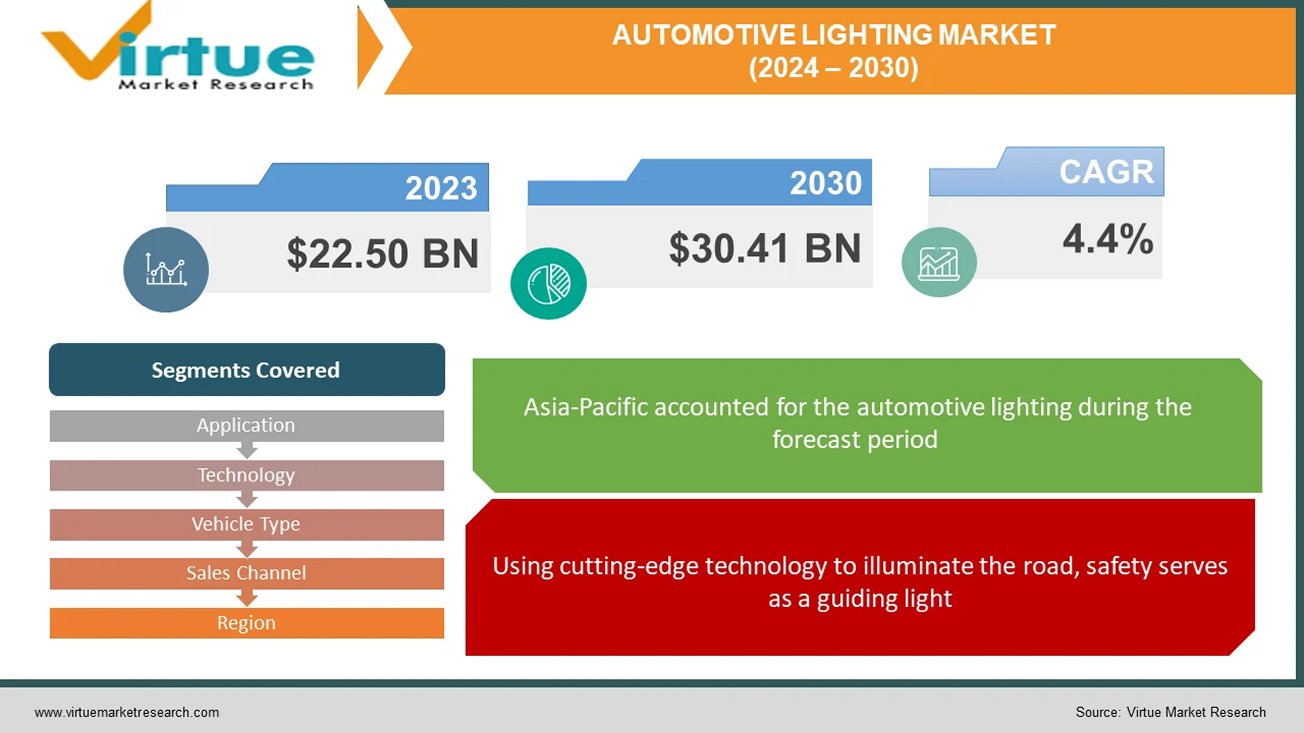
Global automotive lighting refers to all vehicle lighting systems, from headlamps that illuminate the road to taillights that communicate movements. They guarantee motorists and other road users alike safety, visibility, and style. While taillights frequently use LEDs for improved visibility, headlights are available in a variety of technologies, including LED and laser. Interior illumination, DRLs, and signal lights all have a role to play. This market, which was estimated to be worth $33.64 billion in 2022, is anticipated to rise to $67.39 billion by 2030 because of laws, luxury tastes, safety concerns, and technological developments like OLED taillights and adaptive headlights. Anticipate a future dominated by intelligent, connected, personalized, and sustainable lighting systems that enhance the safety, efficiency, and aesthetic appeal of automobiles.
Key Market Insights:
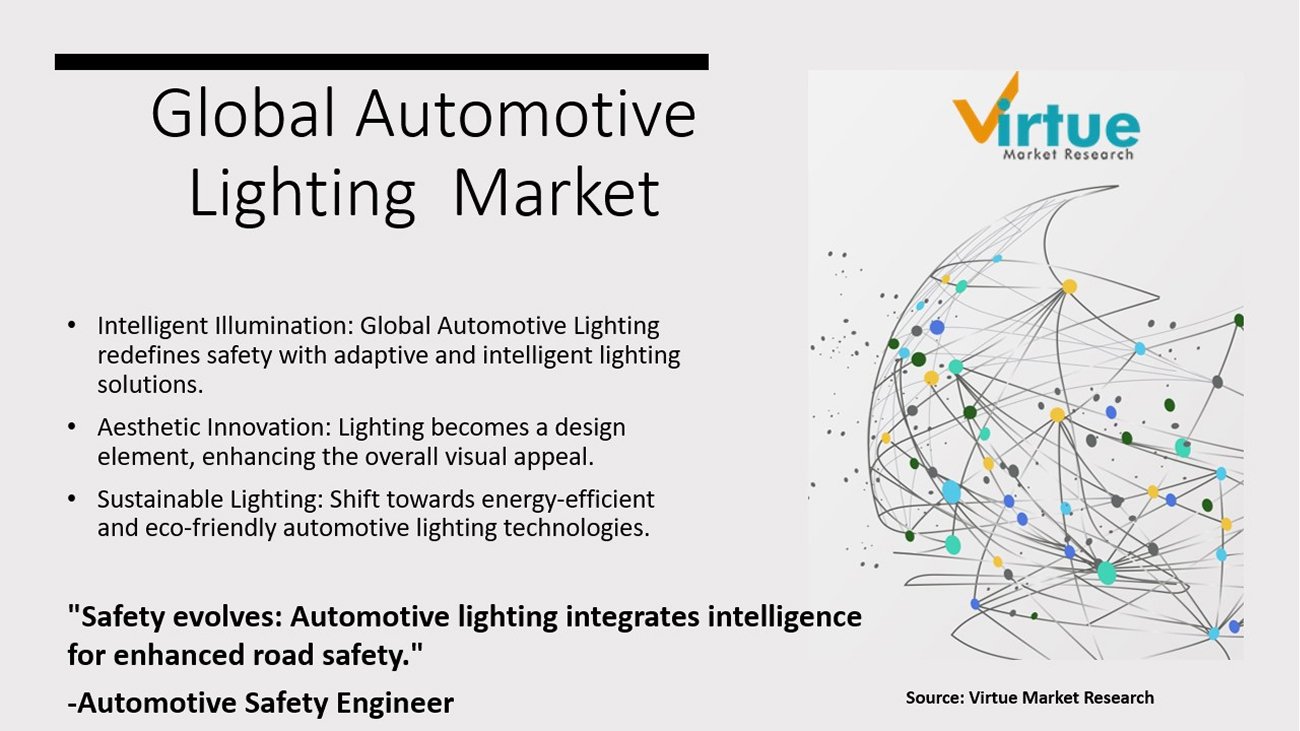
Car lighting works its magic to provide safety, visibility, and style. Headlights cut through the night, taillights express intent, and interiors shine with comfort. The billion-dollar global business is expected to rise due to consumer demand for high-end experiences, safer roads, and cutting-edge technology. Imagine dynamic messages being painted by taillights, headlights that adjust to the road, and interiors that customize their atmosphere. Driven by technological advancements like linked systems and laser beams, this future is calling. Anticipate even more visually attractive, environmentally friendly, and intelligent lighting to illuminate the way ahead, making cars safer, more efficient, and unquestionably cooler.
Global Automotive Lighting Market Drivers:
Using cutting-edge technology to illuminate the road, safety serves as a guiding light.
In the market for automobile lighting, safety is the driving force behind demand from the public and laws. While automated high beams smoothly react to traffic, adaptive headlights modify their beams so as not to blind other people. With visually striking displays, dynamic taillights convey intentions for braking and turning. Beyond these developments, integrated pedestrian identification and lane departure alerts will soon make roads safer and brighter for everyone.
Beyond Performance-Based Luxuries Redefined by Light.
Luxurious automobile lighting creates a distinct visual identity that goes beyond simple illumination. Personalized interior lighting customizes the driving experience by setting the mood with a range of colours and intensities, while intricate designs and distinctive DRLs modify exteriors. As you approach your automobile at night, welcoming lights lead the way, resulting in an interior that is perfectly lit. Not only is this symphony of light aesthetically pleasing, but it also stands as a tribute to luxury. Upcoming developments like gesture-controlled lighting and holographic displays promise to further enhance the experience.
Fuel Efficiency Takes the Lead: Illuminating Sustainability
The worldwide automotive lighting market is undergoing a significant transition towards energy-efficient solutions, as environmental concerns gain prominence. LED technology is leading the way, providing a ray of hope for the environment and drivers alike. LED lights beam brighter and use a lot less energy than conventional halogen lamps. There are some tangible advantages to this. For drivers, this translates to increased fuel economy, which lowers petrol prices and lessens reliance on fossil fuels. Greater air quality and a reduction in the transport sector's contribution to climate change are the results of reduced overall emissions.
To Learn more about this report,
Global Automotive Lighting Market Restraints and Challenges:
Although the global automotive lighting business is booming, there are still unknowns. Difficulties impede growth even as innovation propels it with eye catching features like laser beams and adaptable headlights. These technologies are luxury items due to their high cost and difficult integration, which puts producers' abilities to the test. The worldwide patchwork created by unclear legislation limits the potential of innovation. Durability issues persist, particularly when complex systems are subjected to challenging conditions. Ultimately, a lot of drivers still don't fully understand how these improvements can help them. Together, we can overcome these obstacles. The keys to reducing costs are improved production, more seamless integration, and unified regulations. Their full potential can be realized by educating customers about the safety, efficiency, and aesthetic value of these lighting wonders. By working together, we can pave the way for an even brighter and safer future for vehicle lighting.
Global Automotive Lighting Market Opportunities:
It is made possible by advanced LED technology, which gives drivers the ability to customize their illumination for the highest level of comfort and flair. Consumers that care about the environment want greener products, and vehicle lighting complies. While solar- and self-powered lighting technologies offer a future powered by clean energy, energy-efficient LEDs lower pollution. The advent of connected lighting systems heralds a new age. Envision automobiles interacting with infrastructure and one another to minimize accidents and enhance traffic efficiency. Integrated headlights with pedestrian recognition provide unmatched safety, while dramatic taillights with eye-catching displays alert onlookers to your intentions. The possibilities are endless in the future. Gesture-controlled interior illumination, holographic displays projected onto the road, and even light fixtures with self-healing capabilities.
AUTOMOTIVE LIGHTING MARKET REPORT COVERAGE:
To Learn more about this report,
Global Automotive Lighting Market Segmentation: By Application
Exterior Lighting
Interior Lighting
Due to laws requiring safety features like headlights, taillights, and brake lights, exterior lighting presently holds the most market share in the vehicle lighting industry. The dominance of this market is partly attributed to advancements in safety-focused technologies such as adaptive headlights and daytime running lights. The market value of external lighting is increased by the quick adoption of technology like LED bulbs and laser lights, which improve performance and aesthetics. Conversely, the interior lighting market is expected to increase at the fastest rate in the upcoming years. Innovations like ambient lighting and technology breakthroughs like LED and OLED displays, driven by consumer demand for comfort and personalisation, open new possibilities. The spread of sophisticated interior lighting systems is further driven by the growing emphasis on safety and the expansion of the luxury car market.
Global Automotive Lighting Market Segmentation: By Technology
Halogen
LED (Light-Emitting Diode)
Xenon
Emerging Technologies
The worldwide vehicle lighting market is currently dominated by halogen because of its more affordable price, advanced technology, and useful illumination. With its dependable supply chain and affordable option for manufacturers and cost-conscious customers, halogen holds the biggest market share. The fastest-growing market right now is LEDs, which are predicted to shortly overtake halogen. The rapid expansion of LEDs is driven by their higher efficiency, longer lifespan, flexibility in design, and technological breakthroughs including enhanced brightness. Because LEDs use less energy and produce fewer emissions and better fuel economy, they are becoming more and more popular in the changing automotive lighting market.
Global Automotive Lighting Market Segmentation: By Vehicle Type
Passenger Cars
Commercial Vehicles
Passenger automobiles rule the worldwide automotive lighting market. The sheer number of passenger cars produced which surpasses that of business vehicles and fuels the need for lighting systems is the primary cause of this popularity. The growing demand for personal automobiles in developing nations is a result of rising disposable income, which in turn drives the rise of the passenger car market. The importance that consumers place on safety and aesthetics elements helps to drive market expansion. But in the upcoming years, the market for electric and hybrid cars is expected to develop at the quickest rate. The exponential rise of the worldwide electric car market, which is still expanding and shows no signs of slowing down, is what is driving this surge. Specialised lighting solutions are required since electric and hybrid vehicles have different lighting requirements because of their specific functionality and design aesthetics.
Global Automotive Lighting Market Segmentation: By Sales Channel
OEM (Original Equipment Manufacturers)
Aftermarket
Most lighting systems sold nowadays are sold by OEMs (Original Equipment Manufacturers), primarily because manufacturers pre-install lighting systems in new cars. But in the next years, the aftermarket is expected to develop at the quickest rate. This spike in demand for replacement parts, especially lighting systems, can be linked to several variables, one of them being the average age of cars. The industry is expanding because of consumers' growing desire to personalise their cars with aftermarket lighting upgrades such LED upgrades and decorative lighting. The availability and affordability of technologies like adaptive headlights and laser lights in the aftermarket, together with other advancements in lighting technology, are driving demand even more. Moreover, the growing market for electric cars (EVs).
To Learn more about this report,
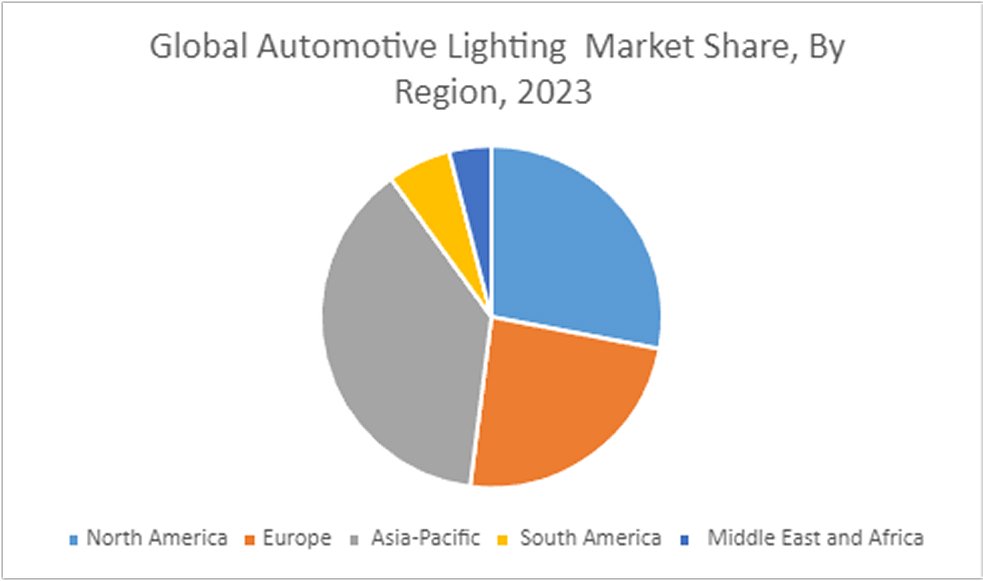
Global Automotive Lighting Market Segmentation: By Region
North America
Asia-Pacific
Europe
South America
Middle East and Africa
Throughout the forecast period, Asia Pacific is anticipated to be the automotive lighting market with the highest profitability. Over the past few years, Asia Pacific countries like China and India have seen notable increases in automotive manufacturing and sales, primarily in the medium-to premium luxury car segment. Asia Pacific is predicted to see an increase in the manufacturing of passenger cars, with India experiencing the strongest growth rate. Depending on the state of the national economy, the area offers a suitable selection of both high-end and cheap cars. For instance, there is a substantial demand for halogen, Xenon/HID, and LED since China and India produce more economy and mid-range automobiles. On the other hand, luxury car adoption rates are greater in South Korea and Japan, where LED lighting is the norm.
COVID-19 Impact Analysis on the Global Automotive Lighting Market:
A brief shadow was thrown by COVID-19 over the worldwide automotive lighting market. Production was stopped by lockdowns and supply chain disruptions, while luxury lighting upgrades were shelved by consumers on a tight budget. Resources became scarce, and R&D stagnated. Still, the market is recovering thanks to resurgent demand and rearranged priorities. While energy-efficient LEDs are being pushed towards adoption by sustainability, safety concerns are driving interest in features like pedestrian detection and adaptive headlights. The digital push of the epidemic creates opportunities for intelligent, networked lighting systems that may interact with infrastructure and other cars. Ultimately, the industry is positioned to shine brighter, focused on safety, sustainability, and a connected future, even though the pandemic dimmed its brilliance.
Recent Trends and Developments in the Global Automotive Lighting Market:
A development collaboration between OSRAM Continental and REHAU aims to incorporate lighting into external components, providing automobile manufacturers with innovative lighting options that improve functionality and design flexibility. For rear combination lamps, Hella unveiled a revolutionary lighting innovation called Hella FlatLight technology. A Memorandum of Understanding (MoU) was signed by Samvardhana Motherson Automotive Systems Group BV (SMRPBV), a division of Motherson Group, and Marelli Automotive Lighting to investigate a technology collaboration focused on intelligently lighted external body components. Valeo debuted their revolutionary 360° lighting system at the Shanghai Auto Show. This technology surrounds the car with a band of light, projecting instantaneous, clear signs that other drivers can see from a distance. Pedestrians, cyclists, and scooter riders are especially susceptible to these signals
Key Players:
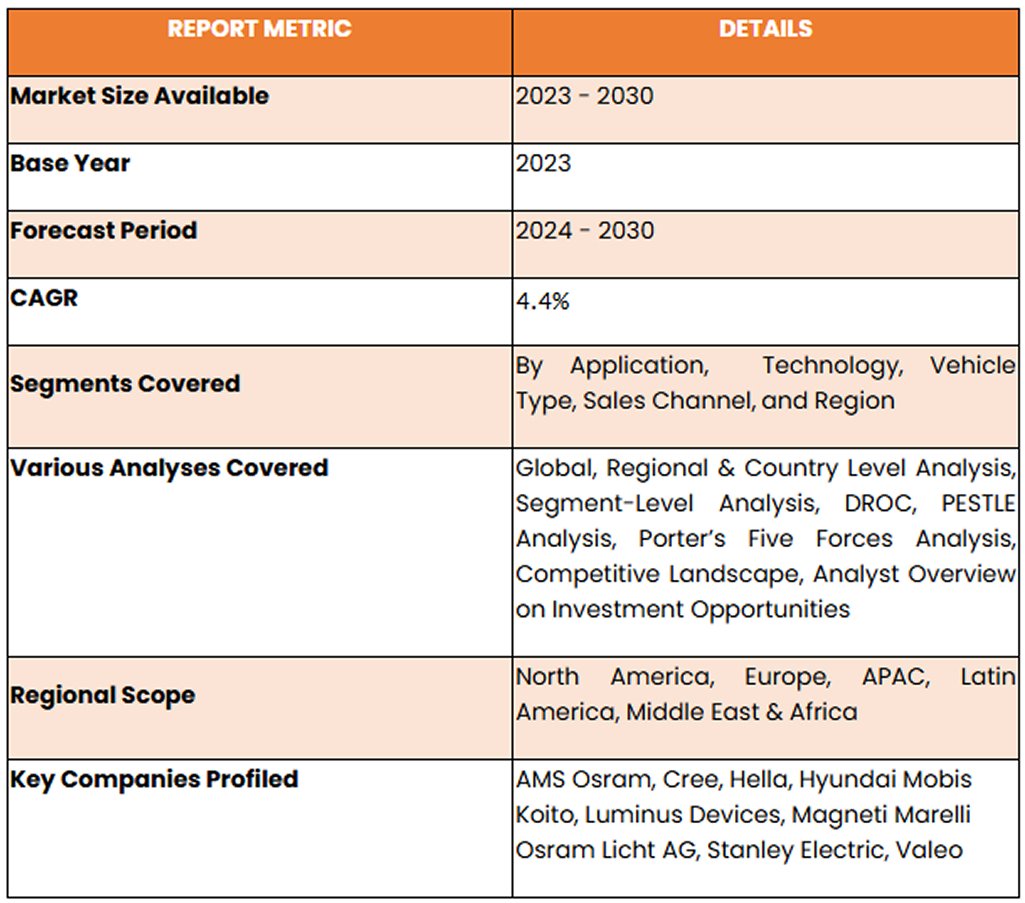
AMS Osram
Cree
Hella
Hyundai Mobis
Koito
Luminus Devices
Magneti Marelli
Osram Licht AG
Stanley Electric
Valeo
Chapter 1. Targeted Drug Therapy-based Adult Malignant Glioma Therapeutics Market – Scope & Methodology
1.1 Market Segmentation
1.2 Scope, Assumptions & Limitations
1.3 Research Methodology
1.4 Primary Sources
1.5 Secondary Sources Chapter 2. Targeted Drug Therapy-based Adult Malignant Glioma Therapeutics Market – Executive Summary
2.1 Market Size & Forecast – (2024 – 2030) ($M/$Bn)
2.2 Key Trends & Insights
2.2.1 Demand Side
2.2.2 Supply Side
2.3 Attractive Investment Propositions
2.4 COVID-19 Impact Analysis Chapter 3. Targeted Drug Therapy-based Adult Malignant Glioma Therapeutics Market – Competition Scenario
3.1 Market Share Analysis & Company Benchmarking
3.2 Competitive Strategy & Development Scenario
3.3 Competitive Pricing Analysis
3.4 Supplier-Distributor Analysis Chapter 4. Targeted Drug Therapy-based Adult Malignant Glioma Therapeutics Market - Entry Scenario
4.1 Regulatory Scenario
4.2 Case Studies – Key Start-ups
4.3 Customer Analysis
4.4 PESTLE Analysis
4.5 Porters Five Force Model
4.5.1 Bargaining Power of Suppliers
4.5.2 Bargaining Powers of Customers
4.5.3 Threat of New Entrants
4.5.4 Rivalry among Existing Players
4.5.5 Threat of Substitutes Chapter 5. Targeted Drug Therapy-based Adult Malignant Glioma Therapeutics Market – Landscape
5.1 Value Chain Analysis – Key Stakeholders Impact Analysis
5.2 Market Drivers
5.3 Market Restraints/Challenges
5.4 Market Opportunities Chapter 6. Targeted Drug Therapy-based Adult Malignant Glioma Therapeutics Market – By Disease Type
6.1 Introduction/Key Findings
6.2 Glioblastoma Multiforme (GBM)
6.3 Anaplastic Astrocytoma
6.4 Anaplastic Oligodendroglioma
6.5 Other Malignant Gliomas
6.6 Y-O-Y Growth trend Analysis By Disease Type
6.7 Absolute $ Opportunity Analysis By Disease Type, 2024-2030 Chapter 7. Targeted Drug Therapy-based Adult Malignant Glioma Therapeutics Market – By Distribution Channel
7.1 Introduction/Key Findings
7.2 Hospitals
7.3 Specialty Clinics
7.4 Homecare
7.5 Y-O-Y Growth trend Analysis By Distribution Channel
7.6 Absolute $ Opportunity Analysis By Distribution Channel, 2024-2030 Chapter 8. Targeted Drug Therapy-based Adult Malignant Glioma Therapeutics Market – By End User
8.1 Introduction/Key Findings
8.2 Hospitals and Clinics
8.3 Physicians
8.4 Patients
8.5 Y-O-Y Growth trend Analysis By End User
8.6 Absolute $ Opportunity Analysis By End User , 2024-2030 Chapter 9. Targeted Drug Therapy-based Adult Malignant Glioma Therapeutics Market , By Geography – Market Size, Forecast, Trends & Insights
9.1 North America
9.1.1 By Country
9.1.1.1 U.S.A.
9.1.1.2 Canada
9.1.1.3 Mexico
9.1.2 By Disease Type
9.1.3 By Distribution Channel
9.1.4 By End User
9.1.5 Countries & Segments - Market Attractiveness Analysis
9.2 Europe
9.2.1 By Country
9.2.1.1 U.K
9.2.1.2 Germany
9.2.1.3 France
9.2.1.4 Italy
9.2.1.5 Spain
9.2.1.6 Rest of Europe
9.2.2 By Disease Type
9.2.3 By Distribution Channel
9.2.4 By End User
9.2.5 Countries & Segments - Market Attractiveness Analysis
9.3 Asia Pacific
9.3.1 By Country
9.3.1.1 China
9.3.1.2 Japan
9.3.1.3 South Korea
9.3.1.4 India
9.3.1.5 Australia & New Zealand
9.3.1.6 Rest of Asia-Pacific
9.3.2 By Disease Type
9.3.3 By Distribution Channel
9.3.4 By End User
9.3.5 Countries & Segments - Market Attractiveness Analysis
9.4 South America
9.4.1 By Country
9.4.1.1 Brazil
9.4.1.2 Argentina
9.4.1.3 Colombia
9.4.1.4 Chile
9.4.1.5 Rest of South America
9.4.2 By Disease Type
9.4.3 By Distribution Channel
9.4.4 By Distribution Channel
9.4.5 Countries & Segments - Market Attractiveness Analysis
9.5 Middle East & Africa
9.5.1 By Country
9.5.1.1 United Arab Emirates (UAE)
9.5.1.2 Saudi Arabia
9.5.1.3 Qatar
9.5.1.4 Israel
9.5.1.5 South Africa
9.5.1.6 Nigeria
9.5.1.7 Kenya
9.5.1.8 Egypt
9.5.1.9 Rest of MEA
9.5.2 By Disease Type
9.5.3 By Distribution Channel
9.5.4 By End User
9.5.5 Countries & Segments - Market Attractiveness Analysis Chapter 10. Targeted Drug Therapy-based Adult Malignant Glioma Therapeutics Market – Company Profiles – (Overview, Product Portfolio, Financials, Strategies & Developments)
10.1 Roche Holding AG
10.2 Bristol-Myers Squibb Company
10.3 Merck & Co., Inc.
10.4 Pfizer Inc.
10.5 AstraZeneca plc
10.6 Novartis International AG
10.7 Eli Lilly and Company
10.8 Amgen Inc.
10.9 Sanofi S.A.
10.10 Bayer AG
10.11 AbbVie Inc.
10.12 Takeda Pharmaceutical Company Limited
10.13 GlaxoSmithKline plc
Fill out the form below and our team will get back to you shortly
FAQ's
By 2023, the GlobalTargeted Drug Therapy-based Adult Malignant Glioma Therapeutics market is expected to be valued at US$ 1.4 billion.
Through 2030, theGlobalTargeted Drug Therapy-based Adult Malignant Glioma Therapeutics market is expected to grow at a CAGR of 6.3%.
By 2030,theGlobalTargeted Drug Therapy-based Adult Malignant Glioma TherapeuticsMarketisexpected to grow to a value of USD 2.15 billion.
North Americais predicted to lead theGlobal Targeted Drug Therapy-based Adult Malignant Glioma Therapeuticsmarket.
The Global Targeted Drug Therapy-based Adult Malignant Glioma TherapeuticsMarkethas segmentsByDisease Type (Glioblastoma Multiforme (GBM), Anaplastic Astrocytoma, Anaplastic Oligodendroglioma, Other Malignant Gliomas); By Distribution Channel (Hospitals, Specialty Clinics, Homecare); By End-User(Hospitals and Clinics, Physicians, Patients); and By Region.
More related reports
Get expert-driven market research reports from a leading research partner to help you navigate the future of the global industry.
Report Code: VMR-19361 | Published Date: May 2026 | Format: Excel and PDF
In 2025, the Newborn Screening Market was valued at approximately USD 6.14 Billion. It is projected to grow at a CAGR of around 7.6% during the forecast period of 2026–2030, reaching an estimated USD 8.86 Billion by 2030...
Report Code: VMR-19360 | Published Date: May 2026 | Format: Excel and PDF
In 2025, the Home Diagnostics & Self-Testing Market was valued at approximately USD 9.85 Billion. It is projected to grow at a CAGR of around 7.9% during the forecast period of 2026–2030, reaching an estimated USD 14.41...
Report Code: VMR-19359 | Published Date: May 2026 | Format: Excel and PDF
In 2025, the Home Diagnostics & Self-Testing Market was valued at approximately USD 9.85 Billion. It is projected to grow at a CAGR of around 7.9% during the forecast period of 2026–2030, reaching an estimated USD 14.41...
Report Code: VMR-19358 | Published Date: May 2026 | Format: Excel and PDF
In 2025, the Clinical Microbiology Testing Market was valued at approximately USD 9.85 Billion. It is projected to grow at a CAGR of around 7.9% during the forecast period of 2026–2030, reaching an estimated USD 14.41 Bi...
Report Code: VMR-19356 | Published Date: May 2026 | Format: Excel and PDF
In 2025, the Global Fertility Services & IVF Technology Market was valued at approximately USD 53 Billion and is projected to reach around USD 82.30 Billion by 2030, expanding at a CAGR of about 9.2% during 2026–2030.
“We received a complex piece of work for our niche market from Virtue Market research in short period of time. I appreciate the quality and content of the final files we received. Thanks for the support”
Medical Devices Company based in Europe
“We received a complex piece of work for our niche market from Virtue Market research in short period of time. I appreciate the quality and content of the final files we received. Thanks for the support”
Medical Devices Company based in Europe
“We received a complex piece of work for our niche market from Virtue Market research in short period of time. I appreciate the quality and content of the final files we received. Thanks for the support”
Medical Devices Company based in Europe
“We received a complex piece of work for our niche market from Virtue Market research in short period of time. I appreciate the quality and content of the final files we received. Thanks for the support”
Medical Devices Company based in Europe
“We received a complex piece of work for our niche market from Virtue Market research in short period of time. I appreciate the quality and content of the final files we received. Thanks for the support”
Medical Devices Company based in Europe
“We received a complex piece of work for our niche market from Virtue Market research in short period of time. I appreciate the quality and content of the final files we received. Thanks for the support”